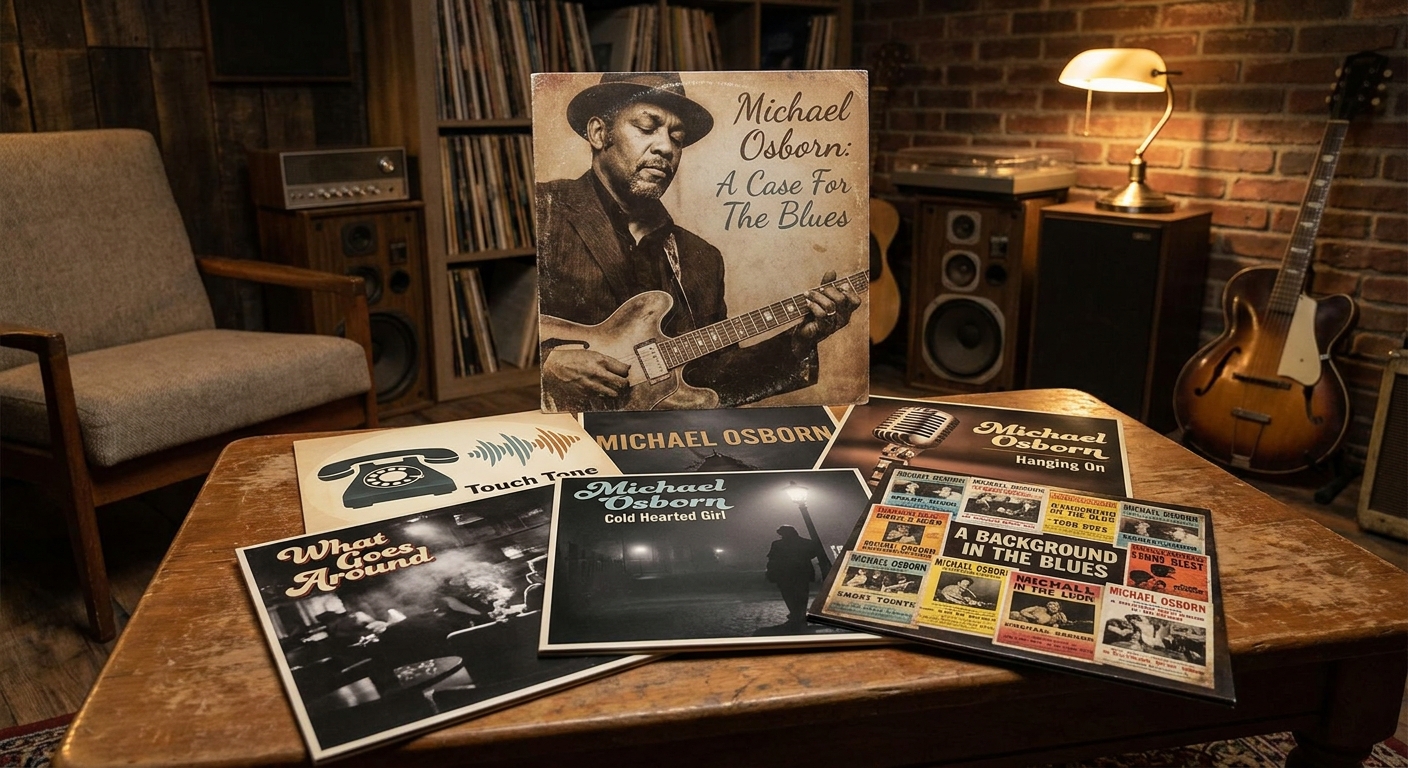
Michael Osborn, a name synonymous with authentic blues guitar, has carved a distinctive path in the genre. Best known for his impactful tenure as the lead guitarist for the legendary John Lee Hooker, Osborn’s solo career shines equally brightly, showcasing his profound understanding of the blues, masterful guitar work, and evolving artistic vision. This comprehensive guide delves into his complete solo discography, exploring each of his six albums released across Blue Rock’It Records and Checkerboard Records, offering a critical look at the nuances, artistic periods, and the enduring legacy of his work.
A Case of the Blues (1993, Blue Rock’It Records)
The Genesis of a Solo Voice
Emerging shortly after his significant period with John Lee Hooker, "A Case of the Blues" marked Michael Osborn's powerful declaration as a solo artist. Released on Blue Rock’It Records, this debut album captured the raw energy and deep traditional roots that defined his initial sound. It's a no-frills blues experience, heavily steeped in Chicago and West Coast blues traditions, with Osborn's guitar playing front and center. The album served as a bridge, carrying the intensity and authenticity learned on the road with Hooker while firmly establishing Osborn's unique voice as a songwriter and bandleader. Tracks often showcased his gritty vocals and an unerring feel for classic blues rhythms, setting the tone for a compelling solo journey.
Rough and Ready (1996, Blue Rock’It Records)
Honing the Edge and Expanding the Sound
Three years later, Osborn returned with "Rough and Ready," further solidifying his presence on Blue Rock’It Records. This album saw a maturation of his songwriting and an even more aggressive, yet polished, approach to his guitar work. While still rooted in traditional blues, "Rough and Ready" displayed Osborn's willingness to push his instrumental prowess, incorporating more intricate solos and dynamic arrangements. The album resonated with fans for its energetic performances and Osborn's increasingly confident vocal delivery. It captured a period where Osborn was not just mimicking his influences but actively expanding upon them, forging a sound that was distinctly his own, robust and full of conviction.
Deep Down South (2000, Checkerboard Records)
Embracing Southern Roots and Slide Mastery
Transitioning to Checkerboard Records, "Deep Down South" marked a significant stylistic exploration for Michael Osborn. This album saw him delving deeper into the rich tapestry of Southern blues, from the Mississippi Delta to the juke joints of the Gulf Coast. Osborn's slide guitar work became a more prominent feature, evoking a raw, rootsy feel. The production embraced a grittier, more organic sound, allowing the authenticity of the blues to shine through. It was a testament to Osborn's versatility, proving his ability to absorb and interpret diverse blues styles while retaining his characteristic intensity and a profound respect for the genre's heritage. The album offered a compelling narrative of journeys and hardships, delivered with Osborn's unmistakable passion.
Road Less Traveled (2004, Checkerboard Records)
Venturing Beyond Traditional Boundaries
With "Road Less Traveled," Osborn continued his tenure with Checkerboard Records, presenting an album that hinted at broader musical influences beyond the strictest blues framework. While the blues remained the undeniable foundation, elements of funk, R&B, and even some rock textures subtly crept into the arrangements. This period showcased Osborn's evolution as a more experimental and versatile artist, unafraid to blend genres to create a richer, more layered sound. His lyricism, too, became more reflective, exploring themes of personal experience and social observation. The album demonstrated his commitment to artistic growth, ensuring his music remained fresh and engaging while always honoring the blues tradition.
Memphis Bound (2009, Blue Rock’It Records)
A Return to Form with Renewed Vigor
Returning to Blue Rock’It Records, "Memphis Bound" was hailed by many as a powerful return to the classic blues structures and powerful performances that defined Osborn's early career, but with the added depth of years of experience. This album often featured more refined arrangements and robust instrumentation, sometimes including a horn section, lending a fuller, richer sound. Osborn's guitar playing was as incisive as ever, and his vocals carried the weight of a seasoned bluesman. "Memphis Bound" felt like a celebration of his journey, incorporating the lessons learned and the styles explored, yet firmly rooting itself in the soulful, driving blues that his fans cherished. It proved his ability to revisit and reinvigorate his core sound.
Blues for the Soul (2015, Checkerboard Records)
Mature Reflections and Enduring Passion
"Blues for the Soul," released on Checkerboard Records, represents the culmination of Michael Osborn's solo career to date, offering a mature and introspective collection of tracks. This album beautifully synthesized his journey, featuring a blend of heartfelt ballads, driving shuffles, and nuanced instrumental pieces. His guitar work, while still capable of raw power, also showcased incredible finesse and melodic sophistication. The album's themes often explored wisdom, resilience, and the enduring power of the blues itself. It stands as a testament to an artist who has mastered his craft, continuing to innovate and communicate through the timeless language of the blues, proving that his passion for the music remains as vibrant as ever.
The Enduring Legacy of Michael Osborn's Solo Journey
Michael Osborn's solo discography, meticulously crafted across six albums on Blue Rock’It Records and Checkerboard Records, offers a compelling narrative of an artist's growth. From the raw, traditional power of "A Case of the Blues" to the mature reflections of "Blues for the Soul," each recording marks a significant chapter in his artistic evolution. His work consistently showcases not just exceptional guitar prowess but also a profound dedication to the integrity of the blues, making him an essential voice in contemporary blues music. His solo albums are a crucial part of his legacy, inviting listeners to delve deep into the heart and soul of a true blues master.